Currently Empty: £0.00




On Wild Swimming
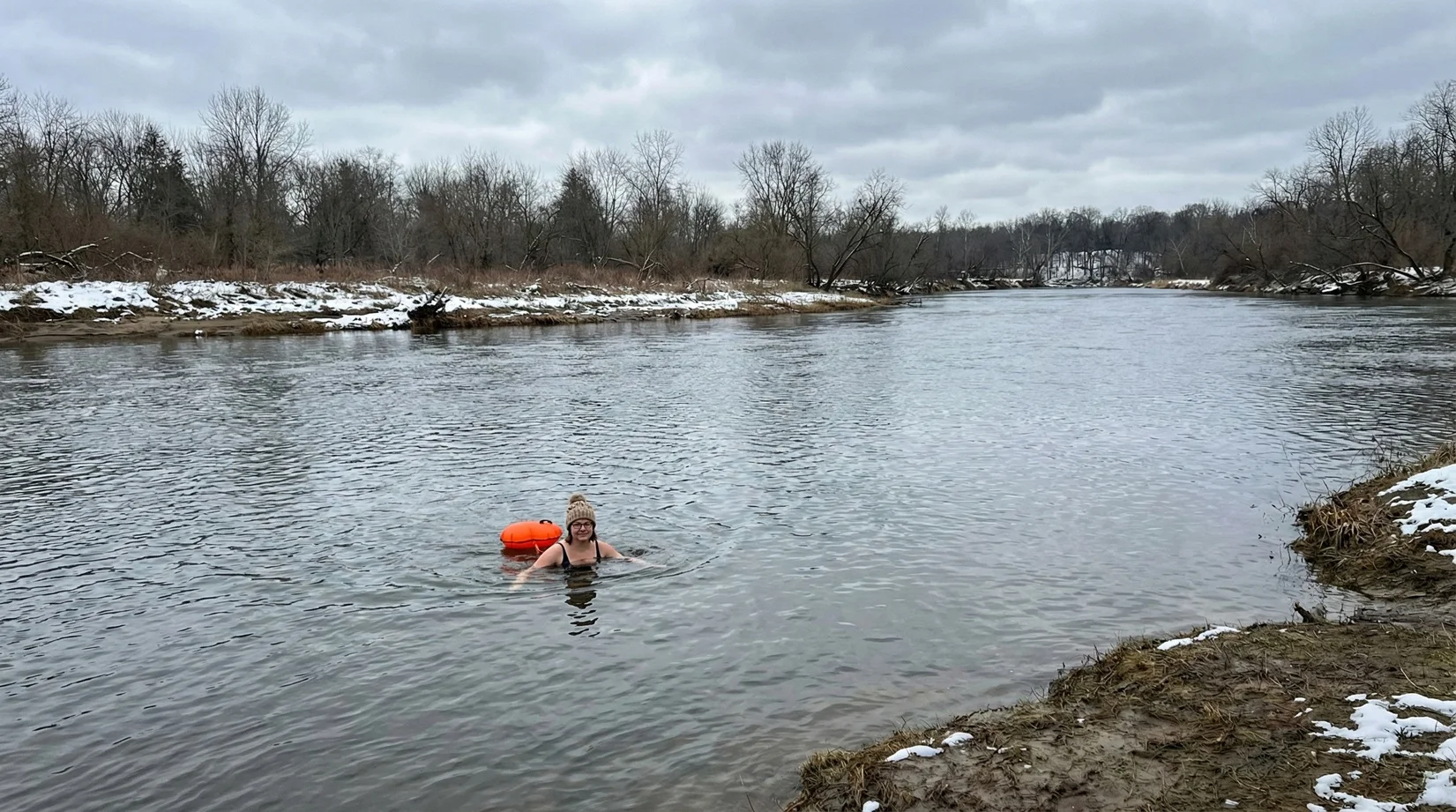
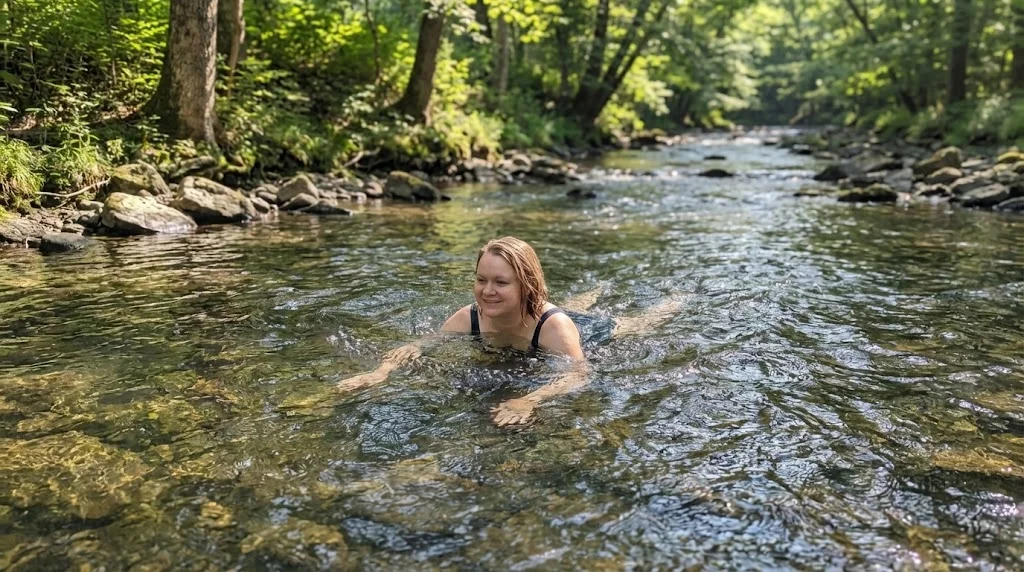
I’m fortunate to live a ten minute walk from the River Nene and had already enjoyed the occasional summer dip to cool off there.
Read more
Making it a routine swimming location while the public pools were closed was something else altogether, knowing the hazards, having the right kit, and getting used to swimming alongside plants and animals. I quickly realized that being mostly submerged in the river brought me closer to these creatures. Birds were less inclined to flee, I could swim up to electric blue dragon flies hovering over the reeds, come to a cautious understanding with the resident swans and even catch sight of the occasional otter. This connection with nature was its own therapy, at once uplifting and calming.
Benefits of the Wild
- Connection with nature. Let’s be honest here— pool swimming is boring. Clean, maybe. But predictable and monotonous. And it leaves you smelling of chlorine no matter how much you try to scrub it off in the shower. Change the scenery and suddenly it’s a completely new experience. When the water is clear, I can watch the bottom of the river change beneath me. I happen upon a pile of empty fresh-water mollusc shells (is that from an otter’s meal?!). I can get closer to the ducks and moorhens feeding within the reeds. Swimming outdoors connects me to the natural world and through this, I have become more conscious of the fragile health of our English waters and creatures that depend on them. As a wild swimmer, I care more now. Wild swimming has given my life some additional meaning that wasn’t there before.
- Solitude. As a life-long pool swimmer, I often found that the peace I sought from a swim— feeling that tension work itself out of my muscles with every lap, losing myself in the calm repetition of strokes— remained elusive. Whether it was the blaring of music at a public pool or the lanes packed to the gills with other swimmers, I could easily leave a swim session with a high level of frustration. Turning to rivers and lakes changed that. I had the space to go as slow or fast and as long as I desired. I moved to the hum of dragon flies and the wind through the trees. Yes, there are risks: boats, strong currents and hypothermia (even in the summer— yes, I’ve seen it happen), to name but a few. There is no life guard there to save me when I’m on the river. That, I admit, is part of the appeal: the risk keeps me aware, fully attentive to my body and my vulnerability. Respectful towards myself. I would always advocate for safety in numbers for those starting out with wild swimming. If one has to swim alone, always do so with caution. And feel completely alive in the intimacy of your solitude.
- Community. As a counter to the above, wild swimming is a growing yet still niche recreational activity that brings people together. The awareness of the risks encourages care and support for each other and a willingness to share kit and advice (and cake!). There is an unspoken bond that can only stem from a small group of like-minded individuals being in on the same secret: it feels so good to wild swim! We wouldn’t trade it for anything. We seek it and therefore we find each other. There are so many options to join swimming organisations or book group wild swims now, from London to Cornwall to the Lakes and across the U.K. one doesn’t have to confront the fear of the wild alone (unless you want to!).